



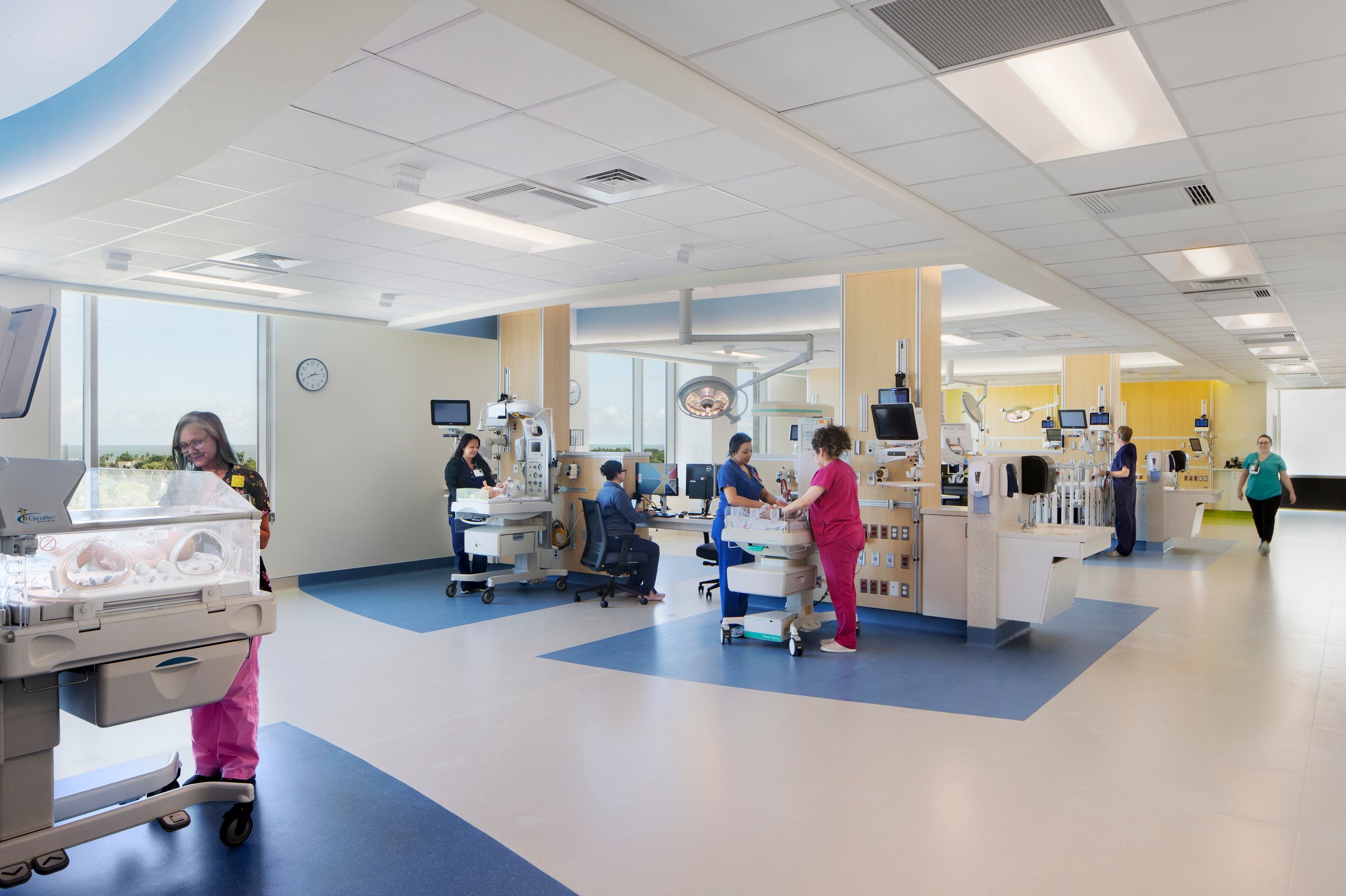
Early childhood represents one of the most critical stages in human development. During these formative years, physical growth, immune system development, and cognitive progress occur rapidly. Access to specialized pediatric healthcare ensures that children receive timely medical attention, developmental monitoring, and preventive care strategies that support lifelong well-being. A modern childcare hospital is designed to address the unique healthcare needs of infants, toddlers, and young children. Unlike general healthcare facilities, pediatric-focused hospitals combine specialized expertise, advanced medical infrastructure, and child-centered care environments. These institutions provide structured support for parents while ensuring that children receive accurate diagnoses, effective treatment plans, and preventive health guidance.
Through integrated services, clinical expertise, and modern diagnostic capabilities, pediatric healthcare institutions play an essential role in safeguarding children’s health.
Early Pediatric Assessment and Development Monitoring
Early identification of developmental patterns plays a crucial role in ensuring a child’s healthy growth and overall well-being during the formative years of life.
- Routine Health Evaluations: Regular pediatric checkups form the foundation of early childhood healthcare. Physicians assess a child’s physical development, weight patterns, nutritional status, and growth milestones. These routine evaluations help identify any irregularities at an early stage.
- Developmental Screening Programs: Early developmental screenings help medical professionals monitor cognitive, emotional, and motor skill progress in children. Pediatric specialists assess speech development, coordination, and behavioral patterns, ensuring that children meet age-appropriate developmental benchmarks. When potential delays are detected early, doctors can recommend specialized therapies or supportive care plans.
- Parental Guidance and Education: Healthcare professionals also play an important role in educating parents about nutrition, sleep routines, and developmental milestones. Structured counseling sessions help families understand what to expect during each stage of early childhood and how to support their child’s healthy development at home.
Preventive Healthcare and Immunization Strategies
Preventive healthcare forms the foundation of pediatric medicine, helping protect children from avoidable illnesses while strengthening their long-term immunity and resilience.
- Comprehensive Vaccination Programs: Preventive care is one of the most valuable services offered by a trusted hospital. Vaccination schedules are carefully designed to protect children from infectious diseases during their most vulnerable years. Medical professionals track immunization timelines and ensure that each child receives vaccines according to national and international pediatric health guidelines.
- Health Risk Identification: Preventive healthcare also includes screening for potential health risks such as allergies, nutritional deficiencies, or hereditary conditions. Early identification enables doctors to recommend lifestyle adjustments, dietary changes, or medical treatments that help prevent complications later in life.
- Community Health Awareness: Hospitals dedicated to pediatric health often participate in public health education initiatives. These programs encourage families to understand the importance of preventive care, hygiene practices, and early symptom recognition, which collectively contribute to healthier communities.
Specialized Pediatric Treatment and Medical Expertise
Children require medical attention that is specifically tailored to their developing bodies, making specialized pediatric expertise essential for accurate diagnosis and effective treatment.
- Access to Pediatric Specialists: Children require medical professionals who are trained specifically in pediatric medicine. Specialists understand how diseases affect growing bodies and can tailor treatment methods accordingly. This expertise allows for accurate diagnosis and effective treatment plans designed specifically for young patients.
- Child-Friendly Treatment Approaches: Medical care for children must be delivered with sensitivity and understanding. Pediatric healthcare teams are trained to communicate with children in reassuring ways that reduce anxiety and fear. Friendly treatment environments help children feel comfortable, which supports smoother examinations and treatment procedures.
- Advanced Diagnostic Support: Modern pediatric hospitals rely on specialized diagnostic tools designed for young patients. These technologies help physicians evaluate conditions with precision while minimizing discomfort. Early and accurate diagnosis ensures that treatment plans are effective and aligned with each child’s specific health needs.
Infrastructure Designed for Pediatric Safety and Comfort
A thoughtfully designed healthcare environment plays an important role in making medical care safer, more efficient, and less intimidating for young patients.
- Child-Centered Healthcare Environments: A carefully designed hospital environment can significantly influence a child’s healthcare experience. Pediatric wards are structured with bright, welcoming spaces that create a less intimidating atmosphere. Such environments encourage children to feel secure and cooperative during medical visits.
- Neonatal and Pediatric Intensive Care Facilities: Advanced care units play an essential role in supporting newborns and critically ill children. A well-equipped children’s hospital includes neonatal intensive care units that provide specialized treatment for premature infants or newborns requiring additional medical supervision.
- Emergency Pediatric Response Systems: Children often experience sudden illnesses or injuries that require immediate medical attention. Dedicated pediatric emergency services ensure that trained professionals and specialized equipment are available to respond quickly and effectively during urgent situations.
Long-Term Wellness and Family-Centered Care
Sustaining a child’s health requires continuous monitoring, collaborative medical support, and active family participation throughout the early stages of development. Institutions recognized as the best women and child hospital focus not only on immediate medical treatment but also on long-term wellness strategies that support both children and families.
- Continuous Health Monitoring: Pediatric healthcare extends beyond individual visits. Long-term monitoring ensures that a child’s growth, nutrition, and overall health remain on track throughout early childhood. Physicians maintain detailed medical records that help guide future healthcare decisions.
- Integrated Support for Families: Healthcare institutions that prioritize family involvement encourage parents to actively participate in their child’s medical journey. Doctors provide guidance on managing common childhood illnesses, maintaining balanced nutrition, and supporting emotional development at home.
- Holistic Pediatric Care Philosophy: The role of a children’s hospital goes beyond medical treatment. By combining preventive care, expert diagnosis, and family education, pediatric healthcare institutions create a comprehensive system that promotes lifelong health and well-being for children.
Conclusion
The earliest years of life shape a child’s long-term health and development. Access to specialized pediatric healthcare ensures that children receive preventive care, accurate diagnosis, and timely medical intervention when needed. Hospitals dedicated to pediatric medicine combine expert professionals, advanced infrastructure, and child-focused care environments to support both medical treatment and healthy development.
Families seeking a trusted pediatric and maternity centre can explore the specialized medical services offered by Ankura. Known for its patient-focused approach, the hospital combines advanced medical infrastructure with experienced pediatricians and maternal care specialists. From newborn care and pediatric consultations to comprehensive maternity support, Ankura prioritizes safety, comfort, and clinical excellence.