


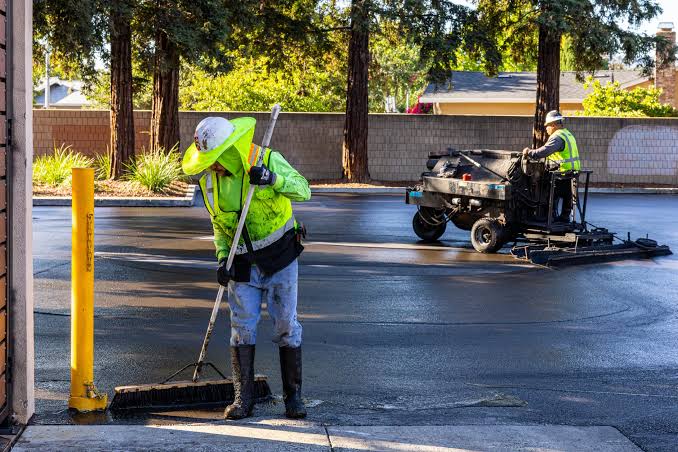
Residential asphalt paving asphalt surfaces in Utah face a unique challenge: extreme seasonal variation. Parking lots, access roads, loading zones, and drive lanes are exposed year-round to heat, cold, snow, rain, and freeze-thaw cycles. These changing conditions directly influence when and how asphalt repair Utah services should be scheduled.
For residential, understanding seasonal impacts is essential. Poor timing can reduce repair quality, shorten pavement lifespan, and increase long-term costs. This is why experienced Utah asphalt companies such as Top Job Asphalt carefully plan repair and maintenance schedules around seasonal conditions to ensure durable, long-lasting residential asphalt paving performance.
Why Seasonal Changes Matter for Asphalt Performance
Asphalt is a flexible material, but it is highly sensitive to temperature and moisture changes. In Utah, where weather conditions shift dramatically between seasons, pavement expands and contracts repeatedly throughout the year.
These cycles create stress that leads to:
- Cracks
- Potholes
- Surface deformation
- Base weakening
Because of this, the timing of asphalt repair Utah services plays a major role in how effective the repairs will be.
Spring: The Season of Damage Discovery
Spring is one of the most important seasons for asphalt maintenance. After winter, residential asphalt paving properties often reveal damage caused by freezing temperatures, snow accumulation, and ice expansion.
Common spring issues include:
- Newly formed cracks
- Potholes from freeze-thaw damage
- Edge deterioration
- Drainage issues
This is the ideal time for inspection and repair planning. Many Utah asphalt companies recommend spring evaluations to identify winter-related damage early.
Companies like Top Job Asphalt often perform post-winter assessments to prioritize urgent repairs and prevent further deterioration during warmer months.
Summer: The Best Time for Asphalt Repair Work
Summer is generally the most favorable season for asphalt repair Utah projects. Warm temperatures allow asphalt materials to bond properly, compact effectively, and cure faster.
During summer, contractors can perform:
- Crack sealing
- Pothole patching
- Resurfacing
- Sealcoating
High-quality results are more achievable because asphalt remains pliable and easier to work with.
However, extreme heat can also present challenges. If temperatures are too high, asphalt may soften too quickly, requiring careful timing and professional handling.
Experienced Utah asphalt companies schedule projects strategically during summer to balance ideal working conditions with performance quality.
Fall: Preparing for Winter Stress
Fall is a critical season for preventive maintenance. The goal during this time is to prepare residential asphalt paving asphalt surfaces for harsh winter conditions.
Typical fall maintenance includes:
- Crack sealing to block water infiltration
- Sealcoating for surface protection
- Minor pothole repairs
- Drainage improvements
If damage is not repaired before winter, water can enter cracks and freeze, expanding the damage significantly.
Companies like Top Job Asphalt emphasize fall maintenance because it directly reduces winter damage and lowers future repair costs.
Winter: The Most Challenging Season for Repairs
Winter is the most difficult season for asphalt repair in Utah. Cold temperatures cause asphalt to become stiff and less workable, making proper compaction and bonding difficult.
During winter, asphalt repair Utah services are typically limited to:
- Emergency pothole patching
- Temporary repairs
- Safety hazard mitigation
These are usually short-term solutions designed to maintain safety until permanent repairs can be completed in warmer months.
Reliable Utah asphalt companies often advise residential to plan major repairs before or after winter whenever possible.
Freeze-Thaw Cycles and Pavement Damage
One of the biggest seasonal challenges in Utah is the freeze-thaw cycle. This occurs when water enters cracks, freezes, expands, and then melts repeatedly.
This process leads to:
- Crack expansion
- Base weakening
- Surface breakage
- Pothole formation
Freeze-thaw damage is one of the primary reasons seasonal timing is so important for asphalt repair.
Experienced contractors like Top Job Asphalt focus on sealing cracks before winter to minimize water infiltration and reduce freeze-related damage.
Seasonal Impact on Repair Quality
The effectiveness of asphalt repair depends heavily on temperature and moisture conditions at the time of installation.
Best conditions for repair include:
- Moderate temperatures
- Dry weather
- Stable ground conditions
Poor seasonal timing can lead to:
- Weak bonding
- Premature cracking
- Shortened repair lifespan
This is why professional Utah asphalt companies carefully monitor weather conditions before starting any project.
How residential Should Plan Seasonal Maintenance
Residential asphalt paving property owners should not wait until damage becomes severe. Instead, they should follow a seasonal maintenance strategy:
- Spring: Inspect and assess winter damage
- Summer: Complete major repairs and resurfacing
- Fall: Preventive maintenance and sealing
- Winter: Emergency repairs only
This cycle helps extend pavement life and reduce long-term costs.
Companies like Top Job Asphalt often design customized maintenance schedules for residential asphalt paving clients based on seasonal needs.
Increased Repair Costs Due to Seasonal Neglect
Ignoring seasonal maintenance can significantly increase repair costs. For example, cracks left untreated in fall can expand into potholes during winter, requiring more expensive repairs in spring.
Similarly, delaying summer repairs can lead to rapid deterioration during peak heat conditions.
Timely asphalt repair Utah services help residential avoid these escalating costs.
Seasonal Traffic and Business Considerations
Seasonal changes also affect traffic patterns in residential asphalt paving areas. For example, retail locations may experience higher traffic in certain seasons, increasing pavement stress.
Contractors must consider these factors when planning repair schedules to minimize disruption and ensure durability.
Experienced Utah asphalt companies work closely with residential to schedule repairs during low-impact periods.
Drainage Issues Become Worse Seasonally
Seasonal rainfall and snowmelt can expose or worsen drainage problems in residential asphalt paving parking lots.
Poor drainage leads to:
- Standing water
- Accelerated cracking
- Base erosion
Addressing drainage issues during seasonal maintenance is essential for long-term pavement health.
Companies like Top Job Asphalt often include drainage evaluation as part of seasonal repair planning.
Importance of Seasonal Inspections
Regular inspections are essential for identifying seasonal damage early. Without inspections, small problems may go unnoticed until they become major issues.
Professional inspections help residential:
- Identify winter damage in spring
- Plan summer repairs efficiently
- Prevent fall deterioration
- Monitor winter hazards
Reliable Utah asphalt companies offer inspection services to support seasonal maintenance planning.
Conclusion
Seasonal changes have a major impact on asphalt repair Utah needs for residential asphalt paving properties. Each season presents different challenges and opportunities—from spring damage assessment to summer repairs, fall prevention, and winter emergency maintenance.
Experienced Utah asphalt companies such as Top Job Asphalt understand how seasonal conditions affect pavement performance and plan repair strategies accordingly.
For residential, following a seasonal maintenance approach is the most effective way to extend pavement life, reduce repair costs, and maintain safe, professional residential asphalt paving surfaces year-round.