







Modern construction focuses not only on structural strength but also on creating visually appealing interiors and exteriors. Smooth, durable walls are essential for achieving high-quality finishes that enhance the overall aesthetics of homes, offices, and commercial buildings. Builders and contractors carefully select finishing materials that provide durability, smoothness, and compatibility with paint systems. Among these materials, understanding the white putty price helps construction professionals and homeowners plan budgets while ensuring the use of quality products that improve surface finishing.
In construction and renovation projects, wall finishing plays a crucial role in determining how well paint adheres and how long the surface remains flawless. Contractors often compare the white putty price while selecting reliable materials that deliver consistent performance. White putty is widely used for preparing wall surfaces before painting, helping fill minor imperfections and providing a smooth base that enhances paint durability and brightness.
Understanding the Importance of White Putty Price in Modern Construction
Selecting the right wall finishing material is essential for achieving long-lasting results. The white putty price often becomes a key consideration for contractors, builders, and property owners who want high-quality surfaces without exceeding construction budgets. Understanding how putty contributes to wall durability helps in making better material choices.
- Surface Preparation for Perfect Finishing
White putty is applied before painting to create a smooth and uniform wall surface. It fills cracks, pores, and uneven textures that may exist on plastered walls. This preparation ensures that paint spreads evenly and adheres properly, resulting in a professional finish that improves the overall appearance of interiors and exteriors.
- Enhanced Paint Durability
One of the main benefits of using wall putty is that it extends the life of paint coatings. When paint is applied directly to rough surfaces, it may peel or fade quickly. By applying putty first, the paint forms a stronger bond with the surface, which improves resistance to moisture, weather conditions, and regular wear.
- Improved Wall Brightness and Aesthetic Appeal
White putty creates a clean and bright base that enhances the final paint color. Because of its white tone, it improves the vibrancy of paints and reduces the number of coats required for complete coverage. This leads to both aesthetic and cost advantages in construction projects.
- Crack Resistance and Wall Protection
High-quality putty helps protect walls from minor cracks and structural imperfections that may appear over time. By filling pores and sealing surfaces, it provides an additional protective layer that keeps walls smooth and visually appealing for longer periods.
- Compatibility with Various Paint Types
White putty works well with different types of paints, including emulsion, acrylic, and distemper coatings. This compatibility ensures that builders and painters can achieve consistent finishing regardless of the paint system used.
- Cost Planning and Material Selection
Understanding the white putty price allows contractors and homeowners to plan construction budgets effectively. By comparing quality and pricing, they can select products that offer durability and value while maintaining high finishing standards.
Factors That Influence Wall Putty Price in Construction Projects
Construction materials vary in cost depending on quality, composition, and performance characteristics. Evaluating the wall putty price helps project managers balance cost efficiency with long-term durability.
- Raw Material Quality
The quality of minerals and binders used in putty production directly affects its performance. Premium raw materials improve adhesion, smoothness, and durability, which may influence the overall cost but provide better long-term results.
- Manufacturing Technology
Advanced manufacturing processes ensure consistency in product quality and performance. Modern production methods create putty that spreads easily and offers superior coverage, making application more efficient for painters and contractors.
- Packaging and Supply Chain
Packaging sizes and transportation logistics can impact the wall putty price in different markets. Bulk packaging often reduces cost per unit, making it an attractive option for large construction projects.
- Brand Reliability and Product Standards
Established manufacturers invest in research, quality control, and testing to ensure that their products meet industry standards. Reliable brands often offer consistent performance, which justifies their market pricing.
- Application Efficiency
High-quality wall putty typically requires fewer coats and less material to achieve a smooth finish. This efficiency reduces labor and material costs during painting, making it a cost-effective solution despite variations in product pricing.
- Regional Market Demand
Construction activity in different regions influences the demand for finishing materials. Areas with rapid development often experience higher demand, which can affect local pricing and product availability.
Advantages of Using High-Quality Wall Finishing Materials
Using reliable finishing materials contributes significantly to the durability and visual appeal of construction projects. Quality products ensure that walls remain smooth and well-protected for years.
- Long-Lasting Surface Strength
Premium finishing materials strengthen the outer layer of walls and protect them from environmental factors such as humidity and temperature changes. This durability helps maintain structural integrity and reduces the need for frequent maintenance.
- Better Paint Adhesion
Smooth surfaces created by putty allow paint to bond effectively with the wall. This improves paint performance and prevents common issues such as flaking, peeling, or uneven coverage.
- Reduced Maintenance Costs
Walls prepared with high-quality materials require less frequent repainting or repairs. This reduces long-term maintenance costs for property owners and helps maintain the building’s appearance over time.
- Improved Interior Aesthetics
Well-prepared walls enhance the beauty of interior spaces by providing a uniform surface for decorative paints and finishes. Smooth walls reflect light evenly and contribute to a polished interior design.
- Efficient Application Process
Modern finishing materials are designed to spread easily and dry quickly, which speeds up the painting process. This efficiency benefits contractors working on tight project schedules.
- Enhanced Property Value
Buildings with high-quality finishing materials tend to maintain their appearance and structural quality for longer periods. This contributes to higher property value and greater satisfaction for property owners.
Conclusion
Selecting the right finishing materials plays a crucial role in achieving durable and aesthetically pleasing walls. High-quality products improve surface preparation, strengthen paint adhesion, and ensure long-lasting visual appeal. Construction professionals who prioritize reliable materials can deliver better results in both residential and commercial projects.
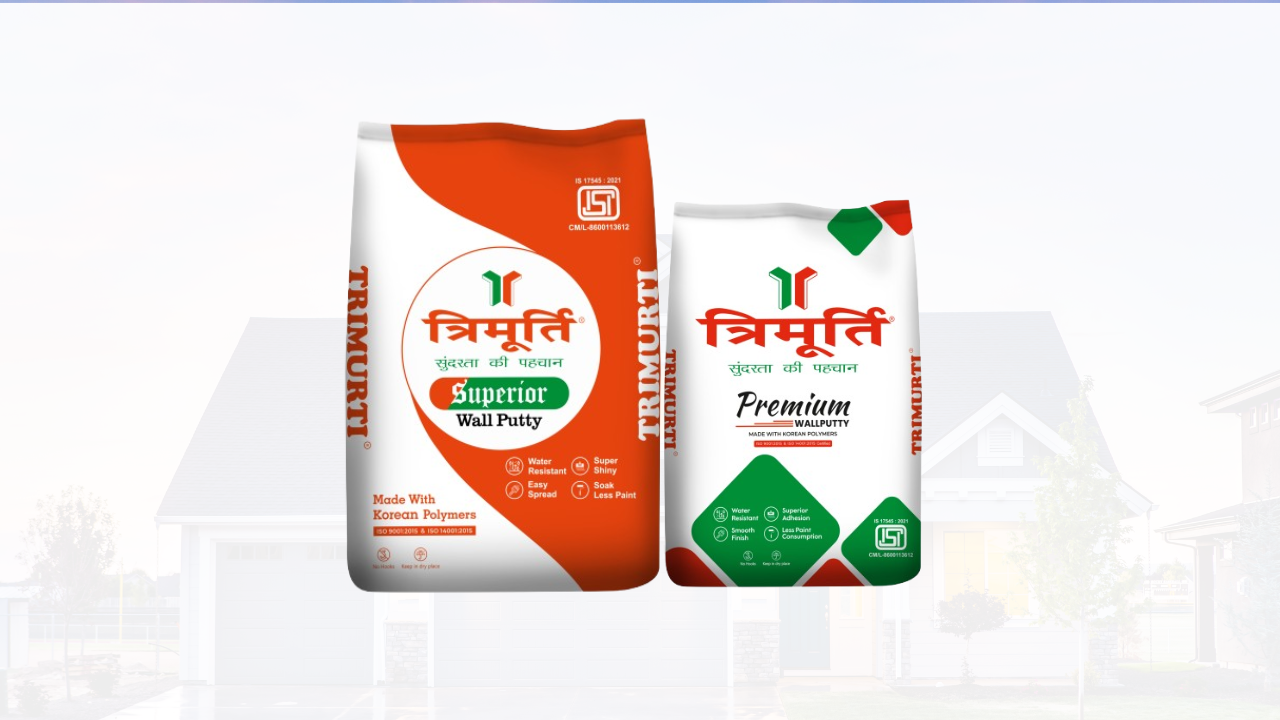
Among trusted solutions for wall finishing, Trimurti pop products are widely recognized for their quality and consistent performance. Trimurti Products offers a comprehensive range of construction finishing materials designed to support smooth surfaces, strong adhesion, and durable results. With a focus on quality manufacturing and reliable supply, they continue to support builders, contractors, and property owners in achieving flawless wall finishes for modern construction projects.