






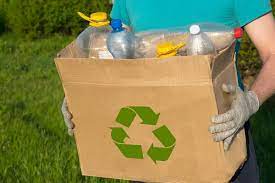
High-Density Polyethylene, or HDPE, is a versatile and widely used plastic in both industrial and household applications. Found in items such as milk jugs, detergent containers, piping, and packaging materials, HDPE is valued for its strength, durability, and chemical resistance. Despite its utility, improper disposal of Recycle HDPE can contribute to environmental pollution. Recycling HDPE not only conserves resources but also reduces waste and promotes sustainability. Implementing best practices in both industrial and household settings ensures that HDPE can be efficiently recovered and reused.
Industrial HDPE Recycling Practices
In industrial settings, HDPE recycling focuses on recovering plastic from manufacturing processes, production scrap, and used products. One best practice is to establish a dedicated collection system for HDPE waste to prevent contamination with other plastics or non-recyclable materials. Sorting HDPE by type, color, and grade enhances the quality of recycled material. Many industries also invest in mechanical recycling methods, such as shredding, washing, and pelletizing, to convert HDPE scrap into raw material suitable for new production. Chemical recycling techniques are emerging as an additional method for breaking HDPE down into monomers for high-quality reuse. Regular employee training on proper handling and segregation of HDPE further improves efficiency and ensures compliance with environmental standards.
Household HDPE Recycling Practices
For households, recycling HDPE begins with proper identification and separation of materials. Consumers should look for the recycling symbol with the number “2” on containers, which indicates HDPE. Rinsing and cleaning containers before disposal prevents contamination and improves recyclability. Many local municipalities provide curbside collection for HDPE plastics, while some regions offer drop-off points at recycling centers. Encouraging family members to participate and educating them about which HDPE items can be recycled contributes to higher recovery rates. Additionally, reducing the use of single-use HDPE products and opting for reusable containers supports sustainable practices at home.
Proper Sorting and Contamination Prevention
One of the most critical aspects of effective HDPE recycling is proper sorting. Contamination from other plastics, food residues, or non-plastic materials can reduce the quality of recycled HDPE or render it unusable. Industrial facilities often use automated sorting systems, including near-infrared scanners, to accurately identify HDPE items. At home, consumers can prevent contamination by rinsing containers and separating HDPE from other plastics. Proper labeling, education, and consistent recycling routines ensure that HDPE materials maintain their value and can be successfully reprocessed.
Processing and Repurposing HDPE
After collection and sorting, HDPE undergoes processing to prepare it for reuse. Mechanical recycling typically involves shredding, washing, and melting HDPE into pellets, which can then be used to manufacture new containers, piping, or plastic products. Advanced recycling methods, such as chemical depolymerization, break HDPE down to its original monomers, enabling the production of high-quality plastic. Repurposing recycled HDPE reduces reliance on virgin materials, conserves energy, and lowers greenhouse gas emissions, making it an environmentally responsible solution for both industrial and household settings.
Education and Awareness
Raising awareness about HDPE recycling is essential for improving participation and efficiency. Industrial facilities can provide training programs and clear guidelines for employees handling HDPE materials. At the household level, educational campaigns, social media initiatives, and clear recycling instructions help consumers understand the importance of proper disposal and recycling practices. When both industrial and household participants are informed and proactive, HDPE recovery rates increase, contributing to a more sustainable circular economy.
Challenges and Future Improvements
Despite advancements, challenges remain in HDPE recycling, including contamination, inconsistent collection systems, and limited access to advanced processing technologies. Continued investment in infrastructure, innovation in recycling methods, and public education are necessary to overcome these obstacles. Collaboration between industries, municipalities, and consumers will play a key role in maximizing the environmental and economic benefits of HDPE recycling.
Conclusion
Recycling HDPE in both industrial and household settings requires careful attention to sorting, cleaning, and processing practices. By following best practices, participants can ensure high-quality recovery, reduce waste, and support environmental sustainability. As awareness, technology, and infrastructure continue to improve, HDPE recycling will become more efficient and impactful, transforming a common plastic material into a valuable resource for future use.