







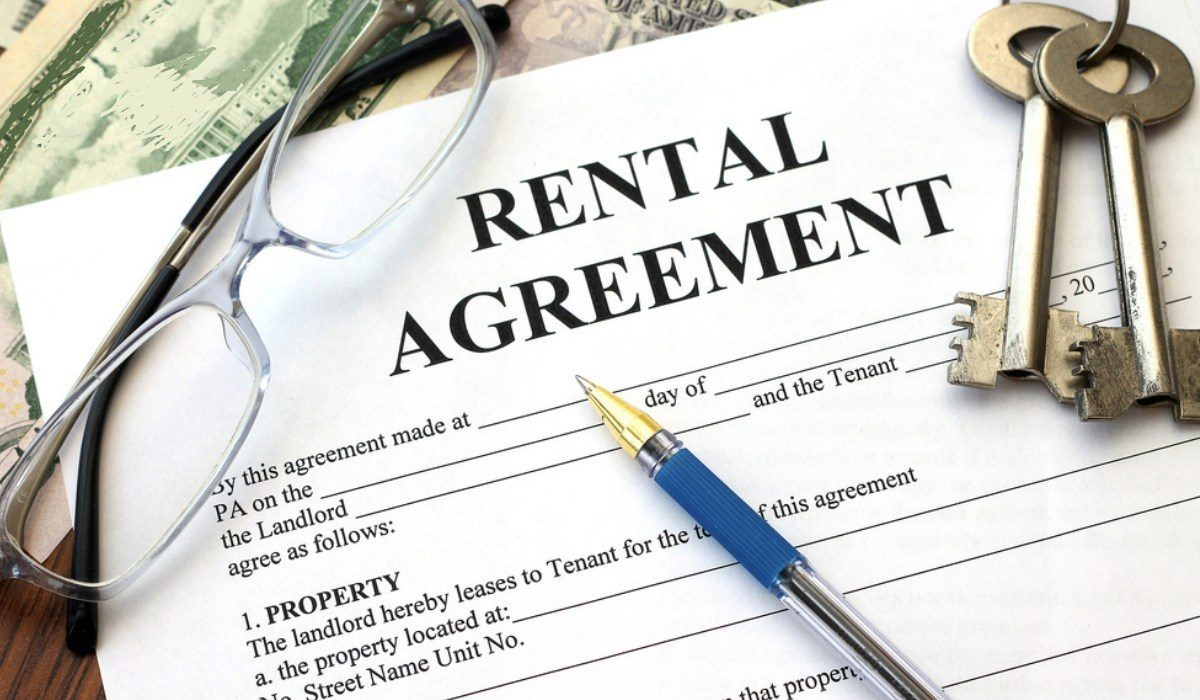
Renting out property can be a good way to earn steady income, but it also comes with responsibilities. One of the most important steps in the rental process is creating a written agreement between the property owner and the tenant. A clear contract helps prevent confusion, protects both sides, and sets expectations from the beginning. Many property owners today use a rental agreement template to quickly prepare a clear and professional document that covers all the important terms of the lease.
A rental agreement does more than confirm that a tenant will pay rent. It also explains the rules, responsibilities, and rights of both the landlord and the tenant. Whether you are renting out a house, apartment, condo, or commercial space, having a well-written agreement can help prevent disputes and protect your property and income.
You can use the best lease agreement template and read on as below is a simple guide to understanding rental agreements and how to create one.
Understanding Rental Agreements and Their Importance
What Is a Rental or Lease Agreement?
A rental agreement, sometimes called a lease agreement, is a legal contract between a property owner and a tenant. This document outlines the terms of the rental arrangement and explains what both parties agree to during the lease period.
If you are renting out property, this agreement becomes an important record of your arrangement with the tenant. It ensures that everyone understands the rules and responsibilities before the tenant moves in.
A typical rental agreement usually includes the following details:
- The monthly rent amount
- Security deposit requirements
- Late payment fees
- Payment schedule and due date
- Accepted payment methods
- Length of the lease period
- Responsibilities of the tenant
- Responsibilities of the property owner
- Conditions for renewing or ending the lease
Without a written agreement, disagreements can easily happen. A tenant may misunderstand payment rules, maintenance responsibilities, or the move-out process. Having everything written down helps avoid these problems.
Why a Written Rental Agreement Matters
A written agreement protects both the landlord and the tenant. It provides a clear reference if any issue arises during the rental period.
For property owners, the agreement helps protect against property damage, missed payments, or violations of house rules. If problems occur, the written contract can serve as proof of the agreed terms.
For tenants, the agreement explains their rights while living in the property. It confirms the rent amount, the length of the stay, and what they can expect from the property owner.
Another advantage today is that rental agreements no longer need to be written only on paper. Many landlords now create and sign contracts online. Digital agreements allow documents to be sent, signed, and stored easily, saving time for both parties.
How to Create a Clear Rental Agreement
Steps to Writing a Basic Rental Agreement
Creating a rental agreement may sound complicated, but the process can be simple when broken down into clear steps.
Start with a clear title
Begin by giving the document a simple title such as “House Rental Agreement” or “Apartment Lease Agreement.” This makes the purpose of the document clear.
Add a short introduction
Write a brief paragraph explaining that the document outlines the rental arrangement between the property owner and the tenant.
Identify the parties involved
Include the full names of the landlord and tenant. Also add the full address of the property being rented.
Explain the lease period
State how long the rental agreement will last. This could be a month-to-month arrangement or a fixed period such as six months or one year. You can also include details about renewing or extending the lease.
List the rent payment details
Write down the exact rent amount, the due date, and the payment method. Include any late payment penalties so the tenant understands the consequences of delayed payments.
Include utility responsibilities
Specify who will pay for utilities such as water, electricity, internet, or garbage services.
Describe tenant responsibilities
Explain the basic rules for living in the property. These may include maintenance expectations, cleanliness, noise limits, and policies about pets or guests.
Add legal clauses
Include an amendment clause that explains how the agreement can be changed. Also add a governing law clause that states which state laws apply to the agreement.
Finish with signatures and dates
At the end of the document, include space for the landlord and tenant to sign and write the date. This confirms that both sides agree to the terms.
Using Online Templates to Save Time
Writing a contract from the beginning can take time. Because of this, many landlords choose to start with a ready-made template.
Online platforms provide rental agreement templates that already include the most important sections. Property owners simply fill in the required details such as names, addresses, rent amounts, and lease periods.
Many online tools also allow documents to be signed electronically. This means tenants can review and sign the agreement from their phone, tablet, or computer. Digital signing helps speed up the rental process and keeps documents organized in one place.
Using templates and online signing tools also reduces paperwork and makes it easier to store contracts securely.
Understanding Lease Protection and Termination
What Is an Indemnity Clause in a Rental Agreement?
An indemnity clause is a section in a rental agreement that protects the property owner from certain damages or losses caused by the tenant.
In simple terms, it means the tenant is responsible for any damage they cause to the property during their stay. If a tenant breaks a fixture, damages a wall, or causes other problems, they may be required to pay for the repairs.
Security deposits are often used to cover part or all of these damages. If repair costs are higher than the deposit, the tenant may need to pay the remaining amount.
This clause helps ensure tenants take proper care of the property they are renting.
How to Handle Lease Termination
Sometimes tenants need to leave a rental property before the lease period ends. When this happens, the process must follow the rules written in the rental agreement.
In most cases, tenants must submit a written notice explaining why they want to end the lease early. This is often called an early lease termination letter.
The agreement may also include specific notice periods, such as 30 or 60 days before moving out. Following this process helps both the landlord and tenant avoid penalties or legal issues.
For property owners, clear termination rules make it easier to plan for new tenants and reduce the risk of lost rental income.
Make the Rental Process Easier with Digital Agreements
Managing rental properties involves many tasks, and preparing contracts is one of the most important ones. Using online templates and digital signing tools can make the process faster and more organized.
Instead of writing contracts from scratch, landlords can simply choose a template, fill in the necessary information, and send it to tenants for signing. This saves time and helps ensure that all important terms are included in the agreement.
Digital tools also allow landlords to track signatures, store documents safely, and access agreements anytime from their phone or computer.
With the right system in place, property owners can manage their rental agreements more efficiently while protecting both their property and their income.