

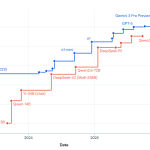


Moonshot AI models are making headlines as they begin distilling from Google and Meta models. This shift comes amid significant delays in the AI landscape.
Understanding Moonshot AI Models
In recent years, Moonshot AI models have emerged as a groundbreaking approach within the field of artificial intelligence, aiming to achieve ambitious goals that push the limits of current technology. These models are characterized by their innovative methodologies and the desire to tackle complex problems that traditional models struggle to address.
Understanding the intricacies of Moonshot AI models requires delving into several key components:
- Scalability: These models are designed to handle vast amounts of data, allowing for more comprehensive analyses and insights.
- Interdisciplinary Collaboration: Moonshot projects often involve experts from various fields, fostering creativity and diverse perspectives.
- Long-term Vision: Unlike conventional AI models, which may focus on short-term results, Moonshot AI models emphasize sustainable solutions for future challenges.
- Iterative Learning: Continuous improvement and adaptation to new information are central to the effectiveness of these models.
As organizations like Google and Meta refine their approaches, the evolution of Moonshot AI models continues to inspire new research and development initiatives, positioning them as a pivotal force in the rapidly advancing world of AI.
The Impact of Google and Meta
The recent developments in Moonshot AI models have been significantly influenced by tech giants like Google and Meta. As these companies push the boundaries of artificial intelligence, their innovations set the stage for emerging players in the field.
Google has made substantial strides with its advanced AI systems, focusing on enhancing machine learning capabilities. Their approaches have led to groundbreaking research, particularly in natural language processing and computer vision, which serve as a valuable reference for Moonshot AI models.
Similarly, Meta’s commitment to AI development emphasizes creating systems that are not just efficient but also ethical. Their frameworks prioritize user privacy and data security, an increasingly crucial aspect of AI deployment.
In light of recent delays faced by startups in the sector, many are now looking to these industry leaders for guidance. By distilling insights from the work of Google and Meta, emerging organizations can navigate challenges and adopt best practices, fostering innovation in Moonshot AI models.
Ultimately, the impact of these tech giants is profound, shaping the landscape of AI and providing a roadmap for others to follow in developing their own advanced models.
Challenges in AI Development
The development of Moonshot AI models presents several challenges that must be navigated to ensure successful implementation and deployment. One of the primary obstacles is the integration of complex algorithms, which require extensive data to function optimally. This reliance on vast datasets can lead to issues regarding data quality and availability.
Another significant challenge is the evolving regulatory landscape surrounding artificial intelligence. As governments and organizations grapple with ethical considerations, developers must stay ahead of potential regulations that could impact the deployment of these advanced models. Compliance with these regulations can complicate the development process and slow down innovation.
Additionally, the competition among tech giants, such as Google and Meta, adds another layer of difficulty. These companies have substantial resources and talent pools, making it challenging for smaller companies and startups to compete effectively. The pressure to innovate rapidly can lead to rushed development cycles, which may compromise the quality of the final product.
Lastly, the need for robust testing and validation processes cannot be overstated. Ensuring the reliability and effectiveness of Moonshot AI models requires rigorous testing, which can be time-consuming and resource-intensive, further complicating the overall development landscape.
Future of AI Technology
The future of AI technology is poised for significant transformation as companies continue to innovate and refine Moonshot AI models. With the rapid advancements in machine learning and data processing capabilities, the potential applications of these models are becoming increasingly widespread.
Experts believe that the next wave of AI development will focus on enhancing the efficiency and effectiveness of these models. This includes:
- Improved Accuracy: Future iterations of Moonshot AI models will likely leverage advanced algorithms to provide more precise outcomes.
- Scalability: As demand grows, developing models that can scale efficiently without compromising performance will be crucial.
- Ethical Considerations: Ensuring that AI technologies are developed responsibly will remain a priority, addressing concerns around bias and transparency.
- Interoperability: Facilitating seamless integration of AI models across various platforms will enhance their usability and effectiveness.
As the industry evolves, collaboration among tech giants, researchers, and policymakers will be essential to navigate the complexities of AI development. The journey towards optimizing Moonshot AI models is just beginning, and the way forward will undoubtedly shape the future landscape of technology.