


Chinese AI model development is under threat due to recent US chip curbs and a crackdown on distillation processes. These actions could hinder progress in the AI sector.
Overview of US Chip Curbs
The recent implementation of US chip curbs has raised significant concerns about the future of Chinese AI model development. These restrictions are designed to limit China’s access to advanced semiconductor technologies, which are crucial for training and running sophisticated artificial intelligence systems.
Industry experts highlight several key implications of these curbs:
- Access to Technology: The limitations on chip exports hinder China’s ability to acquire cutting-edge hardware necessary for AI advancements.
- Innovation Stifling: Without access to the latest technology, the pace of innovation in Chinese AI model development may slow dramatically.
- Global Competition: As the competition for AI supremacy intensifies, these curbs could widen the technological gap between China and leading nations in AI.
As the situation evolves, it remains to be seen whether these restrictions will ultimately boost or hinder the growth of Chinese AI capabilities.
Impact of Distillation Crackdown
The recent crackdown on distillation processes has raised significant concerns regarding the future of Chinese AI model development. Industry experts warn that these restrictions could stifle innovation and hinder progress in a field that has gained immense global importance.
Key implications of the distillation crackdown include:
- Resource Allocation: Companies may struggle to obtain essential materials needed for training advanced AI models, limiting their capabilities.
- International Collaboration: Stricter regulations could discourage foreign partnerships that are crucial for knowledge exchange and technological advancement.
- Increased Costs: The added complexity of sourcing compliant materials may drive up costs, making it challenging for startups to compete.
- Talent Drain: As restrictions tighten, skilled professionals may seek opportunities overseas, further weakening the domestic AI landscape.
In light of these challenges, stakeholders are questioning whether the investment in Chinese AI model development remains viable or if the risks outweigh the potential rewards.
Challenges for Chinese AI Developers
Chinese AI developers face a myriad of challenges as they navigate the evolving landscape shaped by recent restrictions. The US chip curbs have created significant barriers, limiting access to essential technology and components needed for advanced AI model development.
Among the key challenges are:
- Supply Chain Disruptions: Developers are struggling to secure necessary hardware, impacting their ability to innovate.
- Talent Acquisition: The crackdown has made it difficult to attract skilled professionals, as many experts are hesitant to join firms facing potential sanctions.
- Research Funding: With increased scrutiny, funding for AI projects has diminished, stunting growth and development initiatives.
- International Collaboration: Restrictions have hindered partnerships with global tech firms, limiting knowledge exchange critical for progress.
These factors collectively raise concerns about the viability of Chinese AI model development moving forward, prompting industry leaders to reassess their strategies amidst a challenging environment.
Future of AI in China
The future of AI in China faces significant uncertainty as the landscape evolves amidst stringent regulations and international tensions. Chinese AI model development is at a critical juncture, where innovation must navigate the complexities of external pressures, particularly from the United States.
Despite these challenges, several factors could influence a positive trajectory for AI advancements in China:
- Government Support: The Chinese government continues to prioritize AI as a key area for economic growth, providing funding and resources to bolster research and development.
- Domestic Market: A large domestic market offers ample opportunities for AI applications across various sectors, from healthcare to finance.
- Talent Pool: China boasts a vast pool of skilled engineers and researchers, essential for driving innovation and developing cutting-edge technology.
However, the persistent geopolitical tensions may hinder collaboration and access to critical resources, raising questions about the sustainability of Chinese AI model development in the long run.
Comparative Analysis with Global AI Models
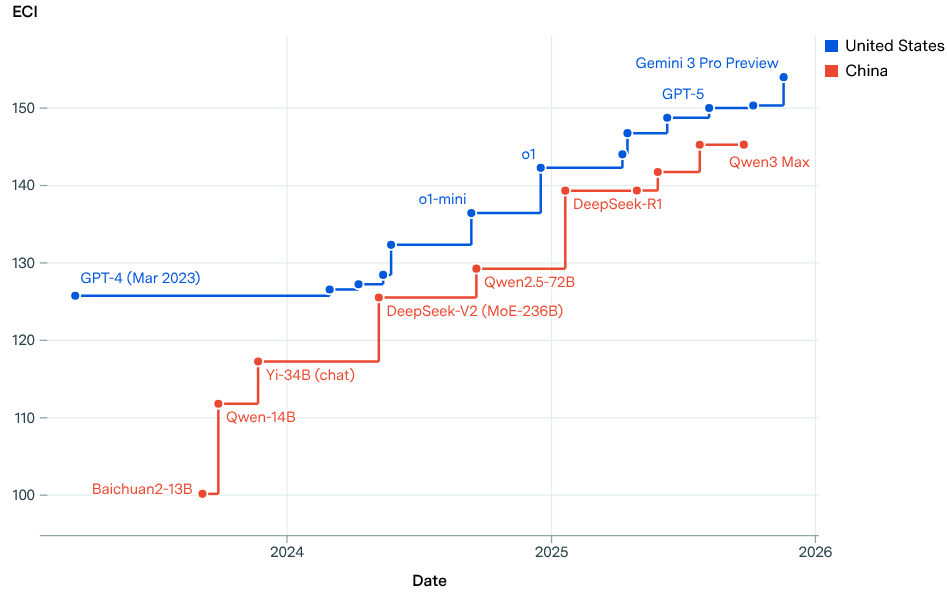
In the realm of Chinese AI model development, a comparative analysis with global counterparts reveals significant disparities in resources and innovation. While countries like the United States lead in advanced chip technology and large-scale data availability, China is increasingly striving to close this gap.
Key differences include:
- Investment Levels: The US has historically attracted higher investment in AI research, offering robust funding for startups and academic institutions.
- Regulatory Environment: Stricter regulations in the US can slow down development, while China’s government actively supports AI initiatives.
- Data Privacy Concerns: Western models often face scrutiny over data privacy, whereas Chinese models may leverage vast amounts of data more freely.
Despite these challenges, Chinese AI developers continue to innovate, driven by a desire to compete on the global stage. The potential for breakthroughs remains, but the road ahead is fraught with regulatory and technological hurdles.
Expert Opinions on AI Development
Experts are divided on the implications of Chinese AI model development amid increasing international scrutiny and restrictions. Some argue that the existing curbs on technology exports and chip manufacturing could stifle innovation and slow down progress in the sector. Dr. Li Wei, a prominent AI researcher, noted that “the ongoing geopolitical tensions are creating barriers that could hinder China’s ability to compete globally in AI.”
Conversely, others believe that the challenges may spur domestic investment and ingenuity. Professor Zhang Min of Tsinghua University remarked, “These constraints could motivate Chinese engineers and developers to create homegrown solutions, ultimately leading to a more resilient AI ecosystem.”
Moreover, some analysts suggest that the focus on self-sufficiency might lead to breakthroughs that could change the landscape of AI technology. As the global race for AI supremacy continues, the question remains: is the risk associated with Chinese AI model development worth the potential rewards?
Government Responses to Technology Restrictions
Governments around the world are grappling with the rapid advancements in artificial intelligence and the implications of technology restrictions. In response to the US chip curbs, the Chinese government has initiated a series of measures aimed at bolstering its AI industry.
Key actions include:
- Increased Funding: The Chinese government is allocating substantial resources to support domestic AI research and development.
- Policy Revisions: New policies are being crafted to attract talent and foster innovation within the sector.
- International Collaboration: Efforts are underway to establish partnerships with countries less affected by technology restrictions.
Despite these efforts, the challenges posed by international limitations on technology exports continue to hinder progress. The ongoing development of Chinese AI models is seen as both a priority and a risk, raising questions about the long-term viability of these initiatives in a constrained global environment.
Potential Workarounds for AI Progress
As Chinese AI model development faces significant challenges due to stringent US chip curbs and a crackdown on technology, experts suggest several potential workarounds that may help sustain progress in the sector.
- Domestic Innovation: Chinese companies could focus on accelerating the development of homegrown chips and AI technologies. This shift may bolster self-sufficiency and reduce reliance on foreign hardware.
- Collaboration with Global Partners: Engaging in partnerships with non-US companies can provide access to alternative resources and expertise, potentially mitigating the impact of restrictions.
- Investment in Software Optimization: Enhancing existing software frameworks may enable Chinese developers to achieve better performance with less powerful hardware.
- Exploration of Open-Source Solutions: Leveraging open-source AI models and tools can allow for innovation without the need for proprietary technologies that are restricted.
These strategies, while not without their risks, may offer pathways for Chinese AI model development to continue advancing despite external pressures.
By Luke Emberson via Openverse