




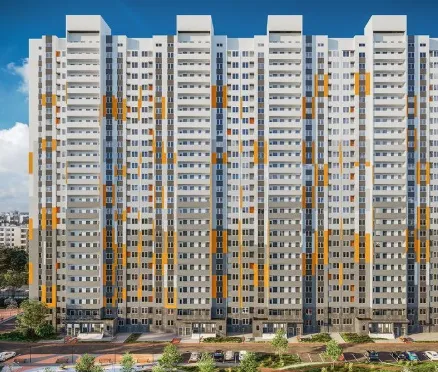
Many families now share one roof again. Grandparents, parents, kids, all under one set of keys. It works well when the home is built for it. Buyers looking at Chencharu Central Residences may want to check a few features first. Small details decide who feels comfortable, and who feels stuck.
Aging parents rarely ask for changes. They tend to say they are fine. A grab rail, a wider door, a quiet corner will matter more with each year. Planning now is cheaper than rebuilding later. This guide covers what to look for, room by room. Nothing fancy. Ask your parents, too.
Step-Free Entry and Wide Doors
Start at the front door. Is there a raised threshold? Even a small lip can trip someone with unsteady feet. Check whether Fablewoode Residences or any unit you like has a flat entry from the lift lobby. Look at door widths, too. A wheelchair or walker needs room to pass.
Inside, look at the floor. Matte tiles with some grip beat shiny ones, which get slick when wet. Loose rugs slide, too. Wide, clear paths between rooms help a lot. Furniture can be moved, but walls cannot. Bring a tape measure to the viewing and test the gaps yourself.
Bathrooms That Prevent Slips
Bathrooms cause many falls at home. Look for a shower with no high step, or at least a low one. Check if the walls can hold grab rails. Some walls cannot, so ask before you buy. A built-in seat in the shower is a simple, useful extra for tired legs.
Think about the toilet height and the space around it. Can someone stand beside it and turn? Is there a night light? Water on the floor is the enemy, so check the drainage slope. Doors that open outward are safer in a small room. If someone falls inside, helpers need to get in. Easy to miss.
Bedrooms Close, Yet Private
Families need balance. Parents want to be near, but nobody wants to feel watched. Look for a bedroom with its own bathroom, ideally close to the main living space. A single-level layout, with no stairs inside the unit, is gold. Multi-level layouts can become a problem with age. Worth noting.
Ask about the walls, too. Thin ones carry the sound of late TV and early kettles. A bedroom beside the lift shaft or the rubbish chute may disturb light sleepers. Give your parents a room that stays cool and quiet. Good sleep is half of good health. Simple, really.
Lifts, Corridors and Lighting
Lifts matter more than people think. Count how many there are and how fast they respond. Check the button height and whether the doors close too quickly. Some older folks need extra seconds. A bench in the lift lobby is a nice touch, since waiting on tired legs is no fun.
Walk the corridors in the evening. Are they bright and clear? Good lighting helps prevent falls, and it makes people feel safe. Look for handrails along long paths and smooth ramps where levels change. Notice the path from the unit to the car park or the garden. Short, flat routes win.
Quiet Spaces for Everyone
Three generations under one roof means noise. Kids run, teens stream, adults take calls. Grandparents often want a calm corner for tea or a nap. Look for a unit with a flexible room that can serve as a study, a hobby space, or a retreat. Doors that really close help.
Shared areas matter too. A balcony with a chair. A garden bench. A quiet shared lounge, if the project has one. These give elders somewhere to go that is not the sofa. A mix of private and shared space is the key. Ask which common spots stay calm. Visit at different hours.
Support Services Within Easy Reach
Daily needs should not require a long trip. Look for a clinic, a pharmacy, and a grocery within a short, flat walk. Check for covered paths and benches along the way. Parents who can run small errands alone keep their independence. That matters as much as any medical plan.
Think about transport and help at home. Is there a bus stop or train station close by? Ask whether the building allows a helper or caregiver to stay, and what rules apply. Also check for emergency features like alarm buttons or a manned guard post. Knowing help is near brings calm.
Conclusion
Multi generation living can be warm and practical. It also needs planning. Look at entries, bathrooms, bedrooms, lifts, quiet spaces, and nearby help. Buyers weighing Central Residences against other options can use the same checklist. Visit more than once, and bring your parents if you can. They notice things.
Their opinion counts most. Ask how a hallway feels, whether the bathroom seems safe, if the stairs worry them. Residences might suit one family and not another, and that is fine. A home that works for the oldest and youngest member works for everyone in between. Choose with care.
Key Points
- Many families are now living together in multi-generational homes, necessitating specific living space designs to accommodate different age groups.
- Buyers should look for features such as step-free entries, wide doors, and matte tiles with grip to ensure safety for aging family members.
- Bathrooms should be designed to prevent slips, which includes looking for low-step showers and grab rails that can be installed securely.
- Bedrooms should provide privacy while remaining close to family areas, with single-level layouts and soundproofing being ideal for comfort.
- Access to necessary support services like clinics and grocery stores should be within a short, flat walking distance to promote independence for older family members.
- In multi-generational living situations, creating a balance between private spaces for rest and communal areas for interaction is essential.