







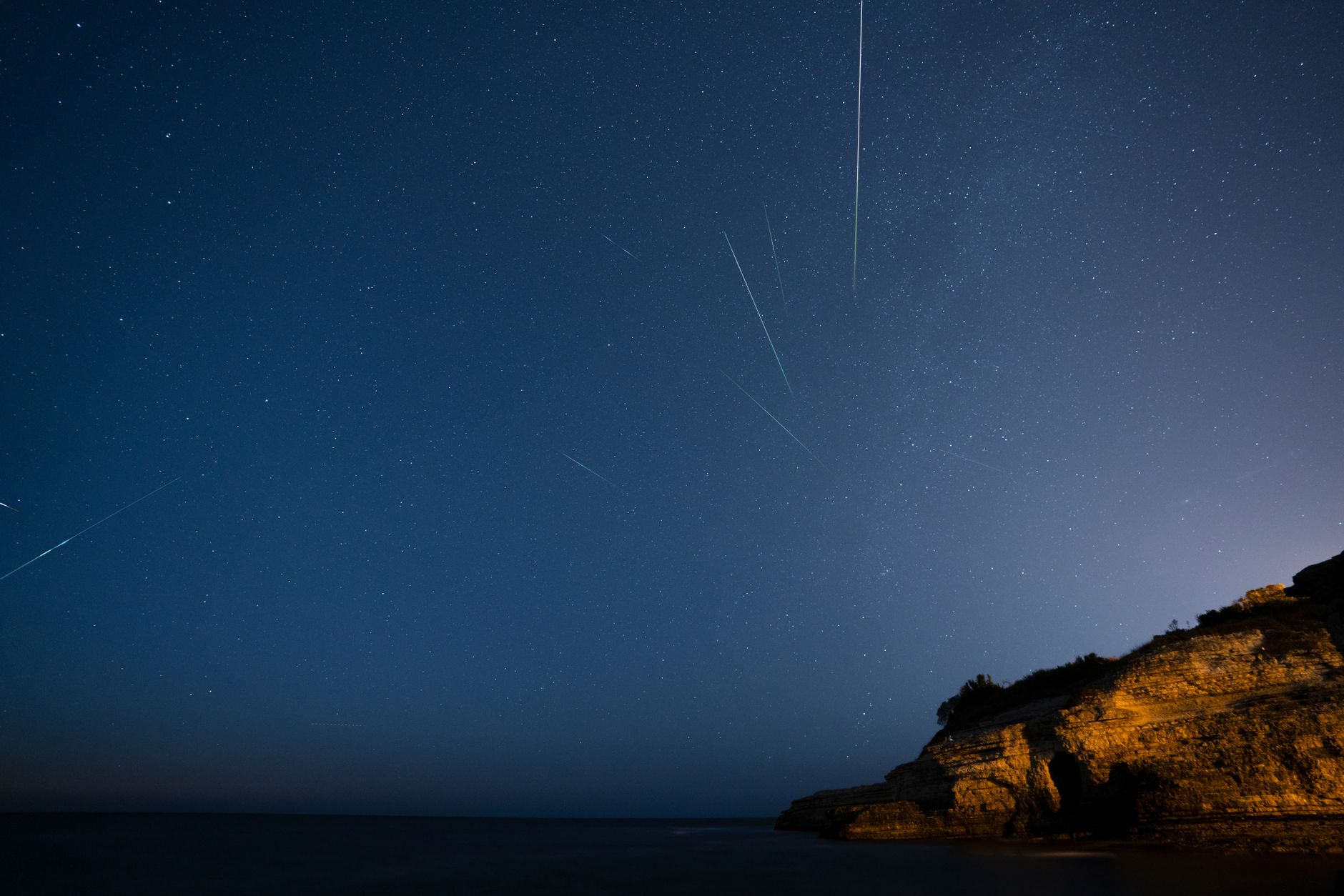
The Leonid meteor shower is set to peak this week, providing an incredible opportunity for skywatchers to observe shooting stars and stunning celestial displays.
What is the Leonid meteor shower?
The Leonid meteor shower is an annual celestial event that occurs when Earth passes through the debris left by the comet Tempel-Tuttle. This spectacular shower is known for its fast and bright meteors, which can be seen streaking across the night sky. The Leonids typically peak in mid-November, making it an exciting time for stargazers and astronomy enthusiasts alike.
During its peak, viewers can witness dozens of meteors per hour, especially in areas with minimal light pollution. The meteors are often characterized by their vibrant colors and rapid speed, entering the Earth’s atmosphere at about 71 kilometers per second. The Leonid meteor shower is particularly famous for its historical outbursts, with some years witnessing thousands of meteors in a single hour.
To fully experience this natural wonder, it’s essential to find a dark location away from city lights. Preparing for the event can enhance the viewing experience, such as bringing a reclining chair, warm clothing, and snacks. Remember to give your eyes time to adjust to the darkness, which can take about 20 minutes. The Leonid meteor shower is not just a visual spectacle; it also offers a unique opportunity to connect with the cosmos.
When to watch the Leonid meteor shower
The Leonid meteor shower is set to peak this week, providing stargazers with an excellent opportunity to witness one of nature’s most spectacular displays. To maximize your viewing experience, it’s essential to know the best times to watch.
The peak of the Leonid meteor shower typically occurs during the night of the 17th and into the early hours of the 18th. The meteors will be most visible after midnight, with the hours just before dawn often yielding the most impressive sightings. During this time, you can expect to see up to 15 meteors per hour under ideal conditions.
For optimal viewing, consider the following tips:
- Find a dark location: Away from city lights, where the sky is clear and unobstructed.
- Check the weather: Ensure that the forecast calls for clear skies to enhance visibility.
- Be patient: Give yourself time to adjust to the darkness and allow your eyes to adapt.
- Bring comfortable seating: A reclining chair or blanket can make for a more enjoyable experience.
By following these guidelines, you can make the most of your opportunity to witness the Leonid meteor shower this week.
Best locations for viewing
Finding the perfect location to view the Leonid meteor shower can significantly enhance your experience. Here are some of the best spots to consider:
- National Parks: National parks often have minimal light pollution, making them ideal for stargazing. Parks such as Yosemite and Grand Canyon provide expansive skies and breathtaking views.
- Remote Areas: Look for locations far from city lights. Areas like desert landscapes or secluded mountain tops can offer an unobstructed view of the night sky.
- Local Observatories: Many observatories host special events during meteor showers. They often have telescopes and knowledgeable staff to enhance your viewing experience.
- Backyards: If venturing out isn’t an option, your backyard can still be a great place to watch the Leonid meteor shower. Ensure to find a dark corner away from streetlights.
- Beaches: Coastal areas with clear horizons can provide excellent views. The sound of waves adds to the serene atmosphere while you watch the meteors streak across the sky.
Remember to bring a blanket or reclining chair for comfort, and don’t forget to check the weather forecast for optimal viewing conditions.
Tips for optimal stargazing
As the Leonid meteor shower peaks this week, stargazers are eager to catch a glimpse of the dazzling celestial display. Here are some tips for optimal stargazing during this spectacular event:
- Choose the right location: Find a dark area away from city lights. National parks or open fields can provide a clearer view of the night sky.
- Check the weather: Ensure that the night is clear and free of clouds. Overcast skies can obstruct your view of the meteors.
- Bring the right gear: A reclining chair or blanket can enhance your comfort while lying back to watch the sky. Don’t forget to dress warmly, as temperatures can drop at night.
- Give your eyes time to adjust: Spend at least 20 minutes in the dark to allow your eyes to adapt. This will help you see fainter meteors more clearly.
- Be patient: The Leonid meteor shower can be unpredictable, so be prepared to wait. Enjoy the tranquility of the night sky while you wait for the meteors to appear.
By following these tips, you can maximize your chances of witnessing the breathtaking beauty of the Leonid meteor shower.
History of the Leonid meteor shower
The Leonid meteor shower has a rich history that dates back several centuries. First documented in 902 AD, the shower is known for its spectacular displays, especially during its peak years. These peaks often coincide with periodic returns of the comet Tempel-Tuttle, which is the source of the meteoroids that create the shower.
One of the most remarkable events occurred in 1833, when observers recorded an estimated 100,000 meteors per hour, captivating viewers and sparking interest in meteor astronomy. This event was so intense that it was described as a “meteor storm,” leading to increased public fascination and scientific inquiry into the phenomena.
Throughout the 20th century, the Leonids continued to surprise stargazers, with notable outbursts in 1966 and 1999, where hundreds of meteors lit up the night sky. These meteoric displays are a result of the Earth passing through the debris left by the comet, making the Leonid meteor shower a significant event for both amateur and professional astronomers alike.
Today, enthusiasts eagerly anticipate the annual shower, hoping for a glimpse of the dazzling meteors that have captured the imagination of so many throughout history.
What to expect this year
This year’s Leonid meteor shower promises to be an exciting spectacle for stargazers. Occurring annually in November, the shower is known for its bright, fast meteors that can sometimes reach impressive rates. This week, enthusiasts can expect to see a flurry of shooting stars as the shower peaks on the night of November 17 into the early hours of November 18.
What can you expect from the Leonid meteor shower this year? The shower is best known for its historic storms, with some years showing thousands of meteors per hour. While this year may not yield such extreme numbers, observers can still catch around 10 to 20 meteors per hour under optimal conditions. The meteors are often swift, traveling at speeds of up to 72 kilometers per second.
For the best viewing experience, find a dark location away from city lights. The meteors can appear in any part of the sky, so it’s recommended to lie back and take in as much of the sky as possible. Additionally, be prepared for the chilly November nights by dressing warmly and bringing blankets or sleeping bags.
With patience and a little luck, the Leonid meteor shower can offer a mesmerizing display of nature’s wonders.
Safety tips for nighttime viewing
As you prepare to enjoy the Leonid meteor shower, it’s important to prioritize your safety while stargazing at night. Here are some essential safety tips to consider:
- Choose a safe location: Opt for a spot away from busy roads and traffic. Parks or open fields are ideal, but ensure they are well-lit and accessible.
- Bring a buddy: Whenever possible, go stargazing with a friend or family member. Not only is it safer, but sharing the experience can make it even more enjoyable.
- Dress appropriately: Check the weather forecast and layer your clothing. Nights can be chilly, and you want to be comfortable while watching the Leonid meteor shower.
- Use a blanket or reclining chair: Bring along a blanket or a comfortable reclining chair to lie back and enjoy the show without straining your neck.
- Stay aware of your surroundings: Keep an eye on your environment, especially if you’re in a secluded area. Make sure to have a flashlight, but use red light to preserve your night vision.
By following these safety tips, you can fully enjoy the beauty of the Leonid meteor shower while ensuring a secure viewing experience.
Photo by FURKAN GÜNEŞ on Pexels