






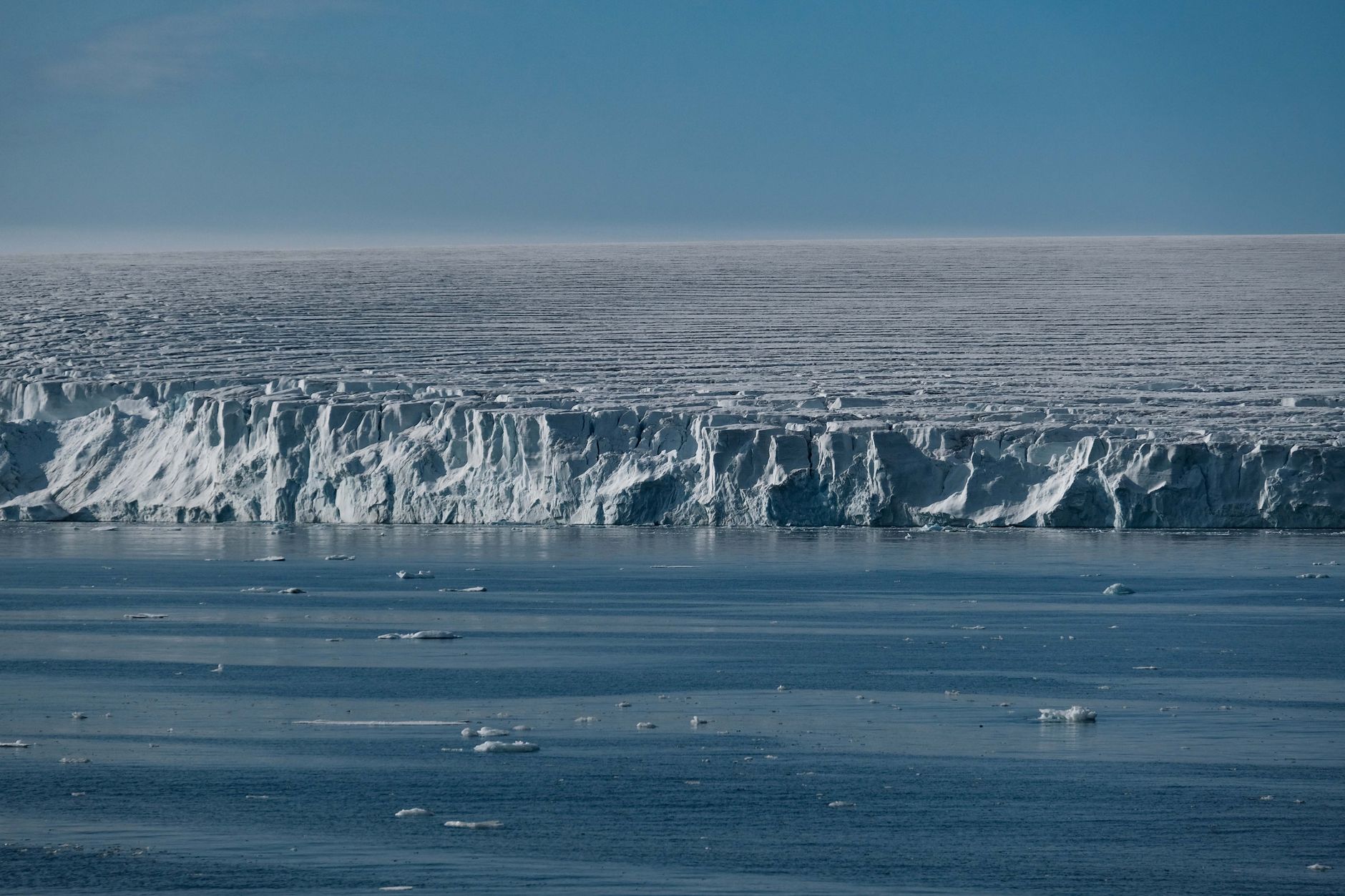
Doomsday Glacier sea-level threat is becoming more alarming as ocean water seeps underneath it. This development poses significant risks for global sea levels and coastal communities.
What is the Doomsday Glacier?
The Doomsday Glacier, officially known as Thwaites Glacier, is located in West Antarctica and plays a critical role in global sea-level rise. This massive ice formation is about the size of Florida and has been a subject of intense scientific study due to its potential impact on coastal communities worldwide.
Recent research has revealed alarming developments regarding the Doomsday Glacier sea-level threat. Scientists have discovered that ocean water is seeping beneath the glacier, which accelerates its melting process. This phenomenon raises concerns about how quickly the glacier could collapse and contribute to rising sea levels.
Experts warn that if the Doomsday Glacier were to melt completely, it could raise global sea levels by over three meters. The implications of this are profound, affecting millions of people living in low-lying areas. As the ice continues to thin, it is crucial to monitor its stability and understand the factors contributing to its deterioration.
Understanding the Doomsday Glacier and its sea-level threat is vital for preparing for future changes in our planet’s climate.
How Does Ocean Water Affect Sea Levels?
As the Doomsday Glacier continues to melt, understanding how ocean water affects sea levels becomes crucial. The interaction between ocean water and glacial ice plays a significant role in determining the rate of sea-level rise.
When ocean water seeps beneath glaciers, it creates a warming effect that accelerates melting from below. This process can significantly increase the amount of ice that breaks off into the ocean, contributing to rising sea levels. Several key factors illustrate this relationship:
- Temperature Increase: Warm ocean currents can elevate the temperature of glacial ice, causing it to melt at an alarming rate.
- Ice Shelf Stability: The melting of ice shelves can lead to instability, allowing more ice from the glacier to flow into the ocean.
- Freshwater Release: As glaciers melt, they release freshwater, which can further impact ocean circulation and sea levels.
With the Doomsday Glacier’s sea-level threat doubling, the urgency to monitor and understand these interactions has never been more apparent.
The Implications of Rising Sea Levels
The implications of rising sea levels are becoming increasingly dire as scientists focus on the Doomsday Glacier sea-level threat. As this massive ice structure continues to melt, the potential consequences for coastal communities are alarming. The following points highlight the key concerns:
- Increased Flooding: Higher sea levels lead to more frequent and severe flooding in coastal areas, threatening homes and infrastructure.
- Economic Impact: The cost of repairing flood damage and adapting to rising waters can strain local economies and budgets.
- Loss of Habitat: Coastal ecosystems, including wetlands and marshes, are at risk of disappearing, affecting wildlife and biodiversity.
- Displacement of Populations: As areas become uninhabitable, populations may be forced to relocate, leading to social and political challenges.
- Global Repercussions: The melting of the Doomsday Glacier can trigger a chain reaction, influencing sea levels worldwide and affecting millions of people.
Addressing these implications requires urgent action and international cooperation to mitigate the looming threat posed by the Doomsday Glacier.
Recent Research on Glacial Melting
Recent studies have brought new insights into the melting of the Doomsday Glacier, revealing alarming projections for global sea levels. Researchers have discovered that ocean water is seeping beneath this massive ice sheet, significantly accelerating its melting process.
According to the latest findings, the interaction between the warmer ocean water and the glacier’s underside is more complex than previously understood. This has led to a startling conclusion: the sea-level threat posed by the Doomsday Glacier has effectively doubled.
Key highlights from the research include:
- Rapid Melting: The rate at which the glacier is melting has increased due to the influx of warm water.
- Structural Integrity: As the glacier weakens, it becomes more vulnerable to further destabilization.
- Global Impact: The implications of this research stretch beyond local regions, affecting coastlines worldwide.
As scientists continue to monitor the situation, the urgency to address climate change and its impacts grows more critical, emphasizing the need for global action.
The Doomsday Glacier sea-level threat has become a focal point for scientists studying the implications of climate change. As ice continues to melt at unprecedented rates, understanding the Doomsday Glacier sea-level threat is crucial for coastal communities worldwide.
Photo by Francesco Ungaro on Pexels
Where this came from
Character.AI Bankruptcy: The Worst News for AI Startups · Google Gemini 4 Argon: The Best Smart AI Model for Developers · GTA 6 PC Release: The Best Proven Timeline for Fans