







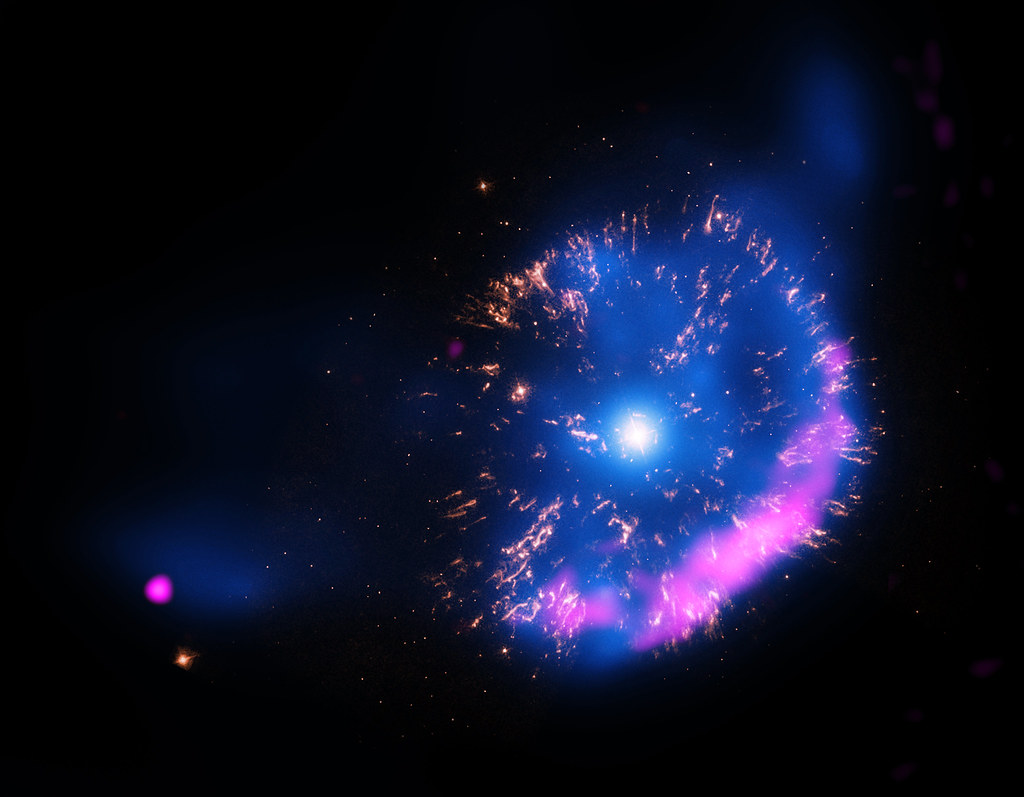
The mini-moon orbiting Earth is set to be a captivating celestial event over the next few months. This unique phenomenon offers an exciting opportunity for skywatchers and scientists alike.
What is a mini-moon?
A mini-moon is a small, temporary satellite that orbits Earth. These celestial bodies are typically less than a few meters in diameter and are often captured by Earth’s gravitational pull for a limited time. Unlike traditional moons, which are larger and more stable in their orbits, mini-moons can vary significantly in size and orbiting duration.
Recently, astronomers have identified a new mini-moon orbiting Earth, which will be present in our vicinity for the next several months. This exciting discovery has generated interest among both scientists and space enthusiasts, as it offers a unique opportunity to study these transient objects. The mini-moon provides insights into various aspects of space, including the formation of our solar system and the behavior of smaller celestial bodies.
Some key characteristics of mini-moons include:
- Temporary Capture: Mini-moons are often captured by Earth’s gravity temporarily before eventually escaping back into space.
- Varied Origins: Many mini-moons are believed to be remnants from asteroid belts or debris from past collisions in space.
- Unique Orbits: Their orbits can change over time due to gravitational interactions with larger bodies, such as the Moon or the Earth itself.
Understanding mini-moons is crucial for comprehending the dynamics of our cosmic environment and how smaller celestial bodies interact with larger planets.
How long will it orbit Earth?
The mini-moon orbiting Earth is expected to have a relatively short duration in its orbital path. Astronomers estimate that this celestial body will remain in orbit for several months before it eventually departs. The exact time frame can vary based on several factors, including its size, mass, and the gravitational influences of other celestial objects.
Typically, mini-moons can stay in orbit for a few weeks to several months. Here are some key points regarding their orbital duration:
- Initial Capture: Mini-moons are often captured by Earth’s gravity, leading to a temporary orbit.
- Orbital Dynamics: Factors such as atmospheric drag and gravitational interactions can affect how long a mini-moon remains in orbit.
- Potential Ejections: After a certain period, these objects may be ejected back into space due to gravitational perturbations.
In the case of the current mini-moon orbiting Earth, scientists are monitoring its trajectory closely. They aim to gather valuable data on its characteristics and the dynamics of its orbit. Understanding how long this mini-moon will orbit is not only crucial for astronomers but also enriches our knowledge of the transient nature of such celestial objects.
The significance of this event
The recent discovery of a mini-moon orbiting Earth has generated significant interest among astronomers and space enthusiasts alike. This event holds multiple implications for our understanding of celestial mechanics and the formation of our planetary system.
One of the key aspects of this mini-moon is its potential to offer insights into the history of Earth’s gravitational interactions with nearby objects. As it orbits, scientists will have the opportunity to study its composition and trajectory, which may reveal information about the materials present in our solar neighborhood.
Moreover, the mini-moon serves as a unique opportunity for educational outreach. Schools and universities can leverage this event to engage students in discussions about astronomy, physics, and space exploration. The fascination with such a captivating phenomenon can inspire the next generation of scientists and engineers.
Additionally, the presence of a mini-moon orbiting Earth may spark interest in future missions aimed at exploring similar objects. Such missions could pave the way for advancements in space technology and broaden our understanding of asteroids and other small celestial bodies.
In summary, the significance of this mini-moon orbiting Earth extends beyond its physical presence; it acts as a catalyst for scientific inquiry, educational engagement, and potential future exploration efforts.
Tips for observing the mini-moon
Observing a mini-moon orbiting Earth can be a thrilling experience for both amateur and professional astronomers. Here are some tips to enhance your viewing experience:
- Choose the Right Time: The best times to observe the mini-moon are during the night when it is fully visible. Check local astronomical calendars to find optimal viewing times.
- Find a Dark Location: Light pollution can significantly impact your ability to see celestial objects. Seek out dark areas away from city lights for a clearer view.
- Use Binoculars or a Telescope: While the mini-moon may be visible with the naked eye, using binoculars or a telescope can provide a more detailed look at its surface and features.
- Follow Online Resources: Websites and apps dedicated to astronomy can provide real-time tracking information. Use these tools to monitor the mini-moon’s trajectory and position.
- Join a Local Astronomy Club: Connecting with fellow astronomy enthusiasts can enhance your experience. Clubs often organize viewing events and provide valuable insights into observing the mini-moon.
- Document Your Observations: Keep a journal of your observations, noting the mini-moon’s position and any changes you observe over time. This can add a personal touch to your astronomical journey.
By NASA Goddard Photo and Video via Openverse
Sources
Related reading
SpaceX Dragon capsule: The Best Proven Journey Back Home · AI Weather Updates: Are They the Best Way to Stay Informed? · China AI developers: Proven strategies for success