









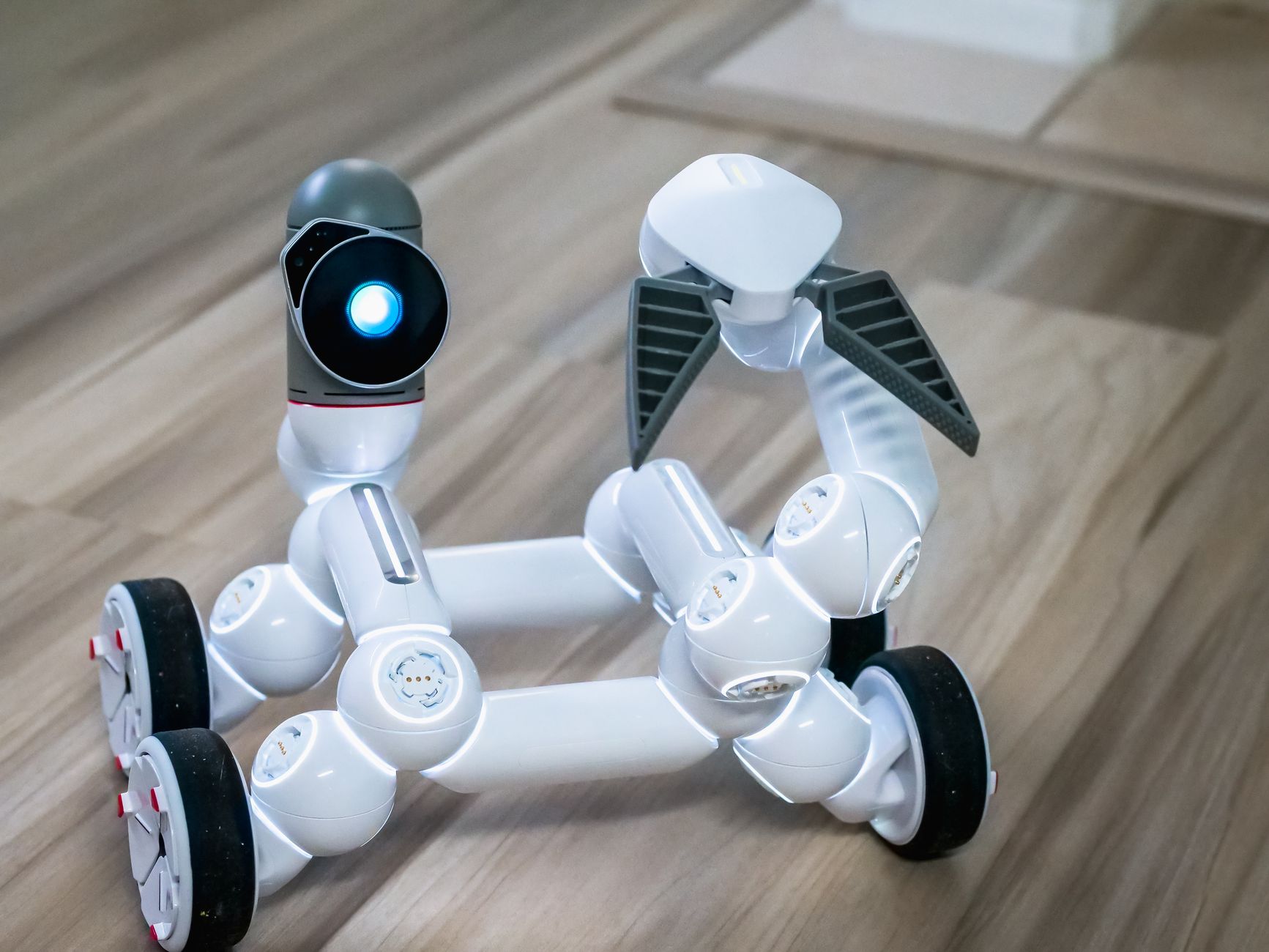
Robot builds structure in space for the first time, marking a monumental achievement in technological innovation and space exploration.
What is the significance of robots in space?
The recent achievement of a robot that builds structures in space marks a significant milestone in technological innovation. This breakthrough not only showcases the capabilities of automation but also highlights the potential for robots to play a vital role in future space exploration.
Robots can operate in environments that are inhospitable to humans, making them essential for constructing habitats on other planets. The significance of this advancement includes:
- Increased efficiency: Robots can work continuously without fatigue, completing tasks faster than human crews.
- Cost reduction: By minimizing the need for human presence in space, missions can become more cost-effective.
- Safety: Utilizing robots for construction reduces the risks associated with sending humans to potentially hazardous environments.
As we continue to explore the cosmos, the ability of a robot to build structures will be crucial for establishing sustainable habitats and supporting long-term missions beyond Earth.
How does the robot build structures?
The innovative robot builds structures using an advanced technique that combines precision and efficiency. This groundbreaking process involves several key steps:
- Scanning the Environment: The robot begins by mapping the surrounding area to identify suitable locations for construction.
- Material Selection: It selects appropriate materials based on structural requirements and environmental conditions.
- 3D Printing: Utilizing cutting-edge 3D printing technology, the robot fabricates components layer by layer, ensuring a strong and durable structure.
- Assembly: Once the components are printed, the robot autonomously assembles them into the final structure, using advanced sensors to ensure accuracy.
- Quality Control: Throughout the process, continuous monitoring and adjustments are made to uphold structural integrity.
This remarkable ability of the robot builds structures not only enhances efficiency but also opens new possibilities for future construction projects in challenging environments.
The impact of this breakthrough on future missions
The recent achievement of a robot builds structure in space marks a pivotal moment in the realm of technology and exploration. This breakthrough presents numerous implications for future missions beyond Earth.
Firstly, the ability to construct habitats and other essential structures autonomously could drastically reduce the need for human presence during initial phases of space exploration. This not only enhances safety but also allows for more extensive missions in remote locations.
Furthermore, the utilization of robots for building structures can lead to significant cost savings. By minimizing the resources and time required for human-led construction, agencies can allocate funds to other critical aspects of missions.
Additionally, the advancement of robotic technology could pave the way for long-term sustainability on other planets. As we look to establish bases on the Moon or Mars, having a reliable method for creating infrastructure will be essential.
Overall, this innovation could redefine our approach to space colonization and exploration.
Challenges faced in robotic construction
The advancement of robotic construction is not without its challenges. While the concept of a robot builds structure is revolutionary, several obstacles must be overcome to fully realize its potential.
- Technical Limitations: Current robotic systems may struggle with complex designs and require significant programming to adapt to different environments.
- Material Handling: Developing robots capable of efficiently transporting and manipulating various building materials in space remains a significant hurdle.
- Autonomy and Decision-Making: Ensuring that robots can make autonomous decisions in unpredictable conditions is crucial for successful operations.
- Collaboration with Humans: Designing robots that can work alongside human astronauts poses safety and efficiency challenges.
- Cost and Resource Allocation: Funding and resources for developing these advanced technologies may be limited, impacting research and development.
Despite these challenges, the potential for robots to build structures in space holds promise for future exploration and habitation.
Expert opinions on space robotics advancements
Experts in the field of robotics and space exploration are weighing in on the recent achievement of a robot that builds structures in space. Dr. Jane Holloway, a leading robotic engineer, stated, “This breakthrough is a game-changer for future missions.” She emphasized that the ability of a robot to construct habitats or repair spacecraft autonomously could significantly reduce the risks posed to astronauts.
Similarly, Dr. Raj Patel, an astrophysicist, noted, “Robots that build structures can help establish sustainable bases on other planets.” This advancement could pave the way for longer missions and deeper exploration of the solar system.
However, some experts caution that while the robot builds structures efficiently, there are still technical hurdles to overcome. Dr. Emily Chen remarked, “We must ensure these robots can operate under varying space conditions.” Overall, the consensus is that this technology marks a significant step forward in space robotics advancements.
The recent advancements in robotics have led to a fascinating scenario where a robot builds structure with remarkable precision and efficiency. As industries explore this capability, the question arises: could a robot builds structure revolutionize construction as we know it?
Photo by Kindel Media on Pexels